
Sales
From your own content to affiliates: Open, Target, TAP, and samples on TikTok Shop
On TikTok Shop a creator earns a commission on sales, and the brand pays for the result. Open, Target, TAP, and samples — the same path in every market, with local thresholds.
7 min readUpdated 2026

In classic e-commerce the creator was an ad channel: you pay for a post and count reach. On TikTok Shop the creator earns a commission on every sale they generate, and you pay only for the result. That changes the risk math — and brands that build an affiliate network well grow much faster than those that rely only on their own account. The models below are the same across markets. The rates, follower thresholds, and sample rules are not — read them in Seller Center for the country you sell in.
Typical affiliate commissions in beauty and skincare sit around 10–20%, and micro-creators often expect the top of that range. The band moves by category and by market. Before you set a rate, calculate margin after the platform fee for your country, the creator commission, the sample, and shipping.
When to bring creators in
The most common mistake is waiting “until we are ready.” A better rule: you bring creators in when you know what sells, not when the account is large. In practice:
- —you have 3–5 hero products with complete cards (photos, video, description, stock),
- —you have 10–20 of your own videos and you know which hooks work,
- —the products have first reviews (even a few),
- —logistics works — samples and orders leave in 24–48 hours.
That is usually the end of week one or week two after the shop opens. You do not need thousands of followers on the brand account. Registration, categories, and your own videos are in TikTok Shop: registration and content.
Brand content as the starting point for a collaboration
Your own videos are the best brief you can give a creator. Instead of writing “show the product naturally,” you send:
- —2–3 of the brand’s best videos with the data (which hook held retention, which video sold the most),
- —a list of proven hooks to adapt,
- —the product’s key arguments in three sentences,
- —what not to say — banned claims, comparisons with competitors, health promises,
- —the CTA and any code or promotion window.
The creator does not copy your video — they translate a proven pattern into their style, their language, and their community. It works the other way too: the best creator videos (with their consent) can be promoted as Spark Ads and used as inspiration for your next own videos.
Open, Target, and TAP — how each model works
Open Collaboration (Open Plan)
A public offer: you list products at one commission rate, and any eligible creator can add them to their showcase and promote them. This is the mode for scale and the long tail — it shows which creators naturally fit the product and sell without your involvement.
When: from the start of the program, on every hero product.
Target Collaboration (Target Plan)
An individual invite to chosen creators, with a higher commission and terms set for that collaboration. You find creators in Seller Center (the creator search page, recommendations, filters). This is the mode for your best partners — without it, your strongest creators easily move to a competitor who will pay more.
When: once Open Collaboration surfaces creators who actually sell, or when you already have a list of creators who fit the brand.
TAP — TikTok Affiliate Partner
This is where a misunderstanding often shows up: TAP is not a toggle in the panel. It is a certified TikTok partner agency that recruits creators for the brand, coordinates campaigns, negotiates commissions, and reports sales. The ecosystem also has TSP (TikTok Shop Partner — agencies that run the shop and Seller Center) and CAP (Creator Agency Partner — agencies that develop creators). A TAP can earn a share of the sales commission inside so-called partner campaigns.
When: you do not have a team for day-to-day creator work, or you want to scale quickly after the first wins. Before you sign, check in Partner Center that the agency actually has TAP status for your market — the words “TikTok agency” guarantee nothing, and a status for one country does not cover another.
Free samples and refundable samples
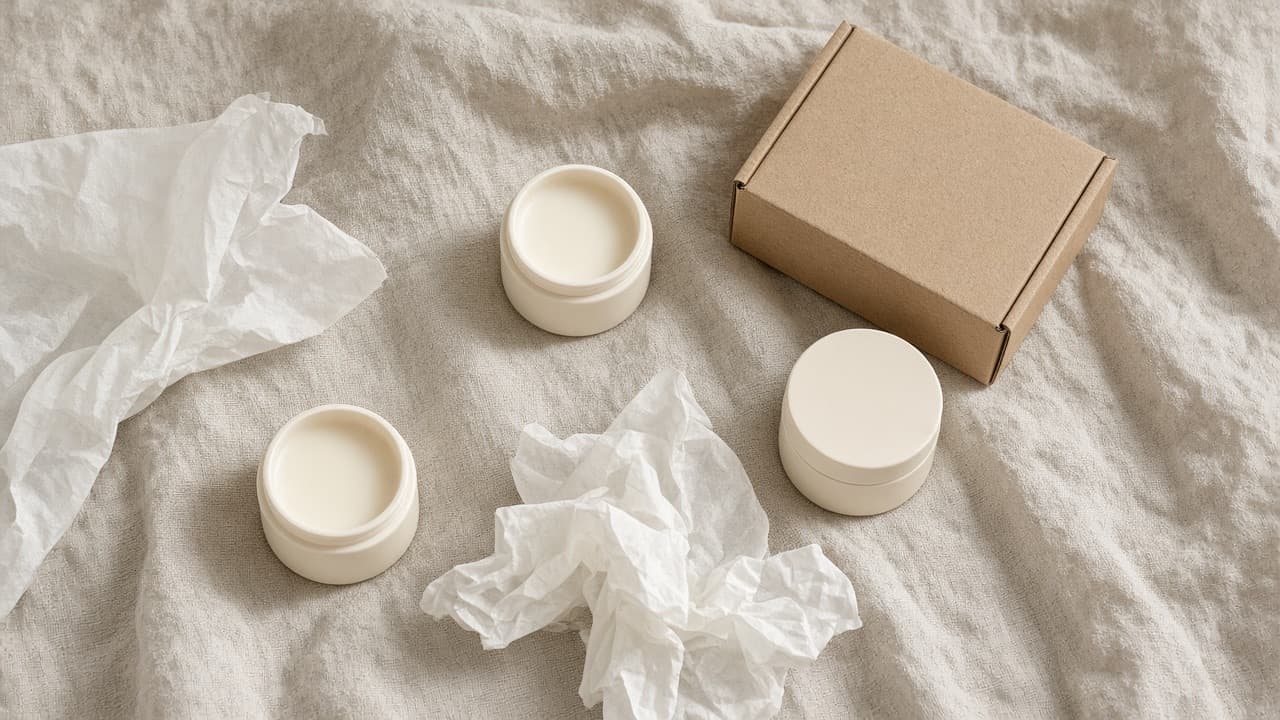
A sample is the strongest creator-recruiting tool — Target invites that include a sample are accepted many times more often than invites without one. There are two types:
Free samples. You send the product at no charge — the product cost and shipping are yours. Available in Open and Target Collaboration. According to TikTok’s documentation, the creator usually has 14 days from delivery to publish (the platform sends reminders itself). Use these for creators who fit well, have a publishing history, and real sales.
Refundable samples. The creator buys the product and gets the money back only after they meet conditions you set (the first sale from their video, for example). Documentation gives about 90 days to meet the criteria — after that the sample becomes an ordinary purchase. Where they are available, they can be set in Open Collaboration. That is a useful filter for widening the pool of new creators at a controlled cost: the sample goes to people who believe in the product enough to pay for it.
Follower thresholds that qualify creators for samples, and the exact deadlines, differ by market and change. Check them in Seller Center for the country you sell in, not in a guide written for another market.
How to organize the start of an affiliate program
- 01Do the economics for your market. Price minus platform commission minus creator commission minus product cost minus shipping minus returns — is there margin left? Set a monthly sample budget instead of leaving samples “unlimited.”
- 02Choose products for affiliates. Heroes only, with good cards and stock on hand.
- 03Turn on Open Collaboration at a competitive rate; enable refundable samples on 1–2 products where that option exists.
- 04Prepare the brief, the creator pack, and a welcome message in the language your creators use.
- 05Invite 20–50 creators into Target with free samples — pick by category fit and sales history, not follower count.
- 06Set a handling rhythm: sample approval, shipping in 24–48 hours, reminders, commenting on and sharing the videos.
- 07Measure weekly: the share of creators who published after a sample (post rate), sales per creator, sample cost against revenue. Promote the best. Do not send another parcel to people who stayed inactive.
Instagram, sessions, and ebooks at this stage
Instagram does not have TikTok Shop’s in-app affiliate program, but the same creator roster can move to Reels with discount codes or affiliate links to your own shop. Collab posts show the video on the brand profile and the creator profile at the same time.
Your own sessions for creators — a monthly closed online call or a short workshop, “what is selling now” — build loyalty better than a higher commission. Creators who understand the brand make better videos.
An ebook for creators — a creator guide for the brand: products, arguments, banned claims, the best hooks — saves hours of explaining the same thing to each person. The same knowledge, written for customers, can become a paid product — the 4-week plan, webinars, and ebooks.